

Plastic buckles are commonly used in many clothing items, such as belts, bags, and backpacks, due to their durability and affordability. However, their disposal presents a significant challenge. Traditional plastic buckles are made from non-biodegradable materials, which means they can take hundreds of years to decompose in landfills. This contributes to plastic pollution, which has devastating effects on the environment and wildlife.
But there is hope. With the rise of sustainable fashion, alternative options are gaining popularity. Natural buttons, wooden buttons, and horn buttons are examples of eco-friendly alternatives that have been embraced by certain clothing manufacturers. These materials are biodegradable and have a lower environmental impact compared to plastic buckles.
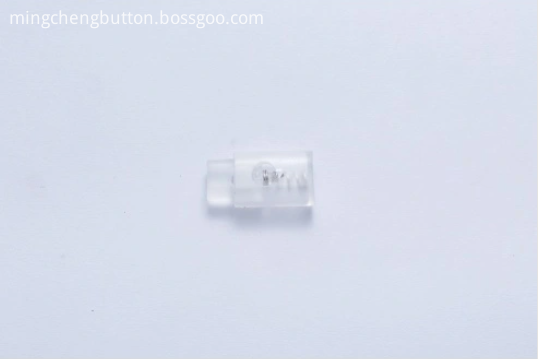
However, one must consider the functionality and practicality of these alternatives. Plastic buckles offer a high level of durability and strength, making them ideal for certain clothing items that require a strong fastening mechanism. Natural buttons, wooden buttons, and horn buttons may not possess the same level of strength and may not be suitable for all clothing applications.
In terms of recycling, the process for plastic buckles can be challenging due to the complexity of their components. Separating and sorting the various materials within the buckle can be time-consuming and costly. Additionally, there are limited facilities equipped to handle the recycling of plastic buckles.
Overall, while many clothing manufacturers are exploring alternatives to plastic buckles, there are still challenges to overcome in terms of practicality and recycling. The industry needs to continue investing in research and development to find innovative solutions that balance functionality with sustainability. Collaboration between fashion brands, recycling facilities, and consumers is essential to drive change and establish a circular economy for clothing accessories.
As consumers, we can also play a crucial role by choosing fashion items that prioritize sustainability and opting for products made from natural or biodegradable materials. By making conscious choices, we can contribute to reducing the environmental impact of the fashion industry and encourage further innovation in the sector.